


Introduction (Phishing Emails)
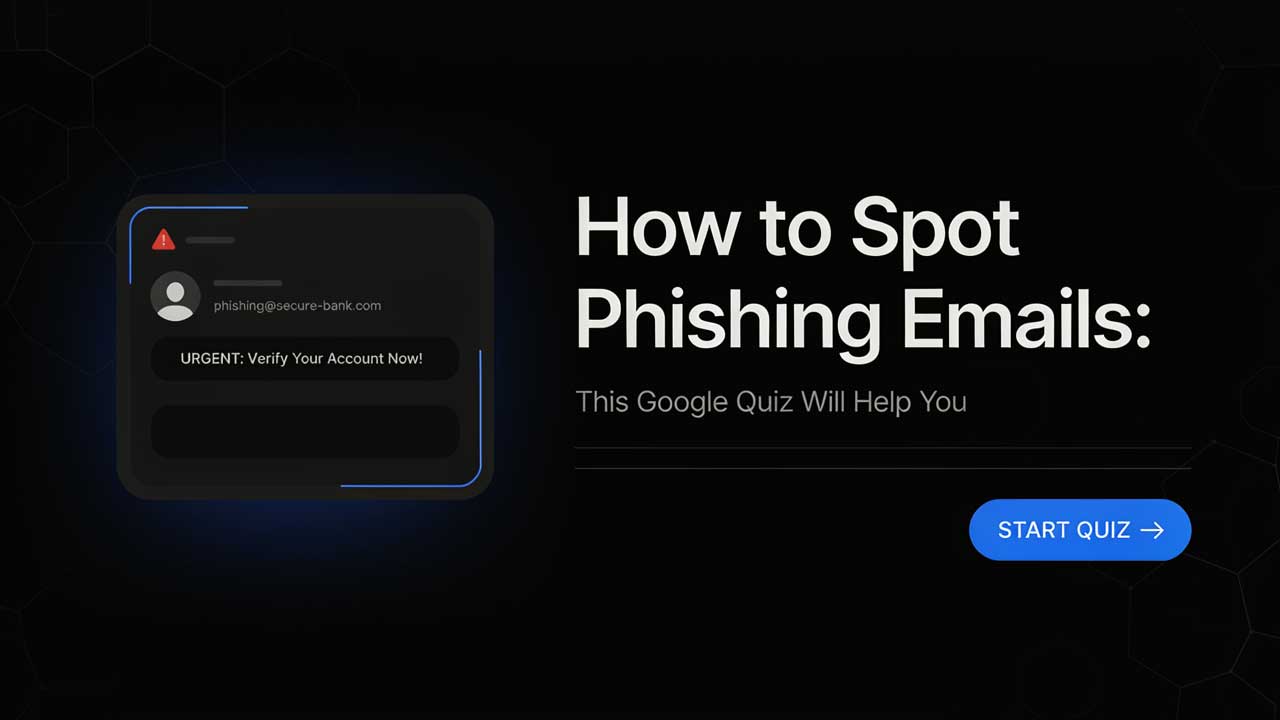
Phishing emails remain one of the biggest threats online. In 2027, attackers are more sophisticated than ever. This guide explains how to spot phishing emails and shows you how the Google quiz can help you improve your skills.
It is written for both beginners and experienced users. It provides accurate, practical information you can use immediately.
Let us get started.
Also read; 2027 VALID LIST OF CARDABLE SITES
Test Your Ability to Spot Phishing Emails
The Google phishing quiz is a free tool that helps you practice spotting fake emails. It presents real examples and asks you to decide if each one is legitimate or a scam. Taking this quiz is one of the best ways to sharpen your skills.
We Help You Spot Phishing Emails
This guide gives you clear steps and examples so you can identify phishing attempts before they cause harm.
What Are Phishing Emails and How Do They Work?
Phishing emails are fake messages designed to trick you into giving up personal information. Attackers often impersonate banks, Google, or other trusted companies. The goal is usually to steal login details or install malware.
Why Is It So Hard to Spot Phishing Emails Today?
Attackers now copy real emails almost perfectly. They use correct logos, proper grammar, and urgent language that makes people act quickly without thinking.
What Are the Most Common Signs of a Phishing Email?
Common signs include:
- Urgent or threatening language
- Requests for personal information
- Suspicious links or attachments
- Slight misspellings in the sender address
- Offers that seem too good to be true
How to Check the Sender’s Email Address for Red Flags
Always hover over the sender address without clicking. Check if the domain matches the real company. For example, a Google email should come from an address ending in @google.com, not @google-support.net.
Common Phishing Email Subjects and Body Text Tricks
Phishers often use subjects like “Your account will be closed” or “Verify your payment now”. They create fear or urgency to make you click without thinking.
What Does a Legitimate Email from Google or Banks Look Like?
Legitimate emails from Google or banks usually address you by name. They never ask for passwords directly. They also use secure links that start with https.
How Does the Google Phishing Quiz Work and What Can You Learn?
The Google phishing quiz shows you real examples. You decide if each message is safe or suspicious. The quiz then explains why each answer is correct. It is a great way to learn common tricks.
Best Free Phishing Quizzes and Training Tools in 2027
Other good tools include:
- Google phishing quiz
- KnowBe4 training
- US-CERT phishing examples
- Free courses on Coursera
How to Enable Gmail Phishing Protection Features
Go to your Gmail settings. Turn on advanced protection. Enable two-factor authentication. Turn on warnings for suspicious emails.
What Should You Do If You Clicked a Suspicious Link?
If you clicked a suspicious link, change your passwords immediately. Run a full antivirus scan. Monitor your accounts for unusual activity.
Also read: 2027 Best Non VBV Cardable Sites List
How to Report Phishing Emails to Google and Authorities
Forward suspicious emails to [email protected] or the company being impersonated. You can also report them directly in Gmail.
Common Mistakes People Make When Identifying Phishing
Common mistakes include:
- Not checking the full sender address
- Clicking links without hovering first
- Ignoring small spelling errors
- Assuming urgent emails are real
How to Use Browser Extensions and Tools to Detect Phishing
Use extensions like uBlock Origin or HTTPS Everywhere. Enable built-in browser warnings. Consider using a password manager that flags suspicious sites.
Phishing vs Legitimate Emails: Side-by-Side Examples
A legitimate Google email will never ask for your password. A phishing version often contains links that lead to fake login pages. Always compare the two carefully.

How to Protect Your Accounts from Phishing After an Attack
Change all passwords. Enable two-factor authentication. Review connected apps. Monitor bank accounts for unauthorized charges.
What Are Business Email Compromise Scams?
Business email compromise scams target companies. Attackers pretend to be executives and request wire transfers or sensitive data.
How to Teach Others (Family or Team) to Spot Phishing
Share the Google quiz with them. Walk through real examples together. Create simple rules like “never click links in unexpected emails”.
Is It Safe to Forward Suspicious Emails for Analysis?
Yes, forwarding to official reporting addresses is safe. Do not open attachments when forwarding.
How Phishing Emails Have Evolved in 2027
Attackers now use AI to create more convincing messages. They also target mobile users more often and use personalized details from data breaches.
Final Checklist: How to Spot and Avoid Phishing Emails
- Check the sender address carefully
- Hover over links before clicking
- Look for urgent language or threats
- Never share personal information via email
- Enable two-factor authentication
- Use the Google phishing quiz regularly
- Report suspicious emails
- Keep software updated
- Use strong passwords
- Educate others around you
Visit Cardswipe.cc to get Non VBV BINs or buyccfullz.com to get clone cards, legit dumps with pin and carding materials, also visit elitesource.tech to get money swift money transfer service which includes bank transfer, paypal, cashapp, venmo, zelle and western union transfers.
Also read: Amazon GiftCard Carding Methods in 2027
FAQ on Phishing Emails
What is the Google phishing quiz?
A free tool that helps you practice spotting fake emails.
Why are phishing emails hard to spot?
They use real logos, correct grammar, and urgent language.
What should I check first in an email?
The sender address and any links.
How do I enable Gmail protection?
Turn on advanced protection and two-factor authentication in settings.
What should I do if I clicked a bad link?
Change passwords and run a security scan.
How do I report phishing emails?
Forward them to [email protected] or use Gmail report tools.
Are there other free quizzes?
Yes, KnowBe4 and US-CERT offer good training.
What are business email compromise scams?
Attacks that target companies for money or data.

How has phishing changed in 2027?
Attackers now use AI and target mobile devices more.
Is it safe to forward suspicious emails?
Yes, when sent to official reporting addresses.
