


Introduction (Man-in-the-Middle)
If you want to understand what a man-in-the-middle attack is and how to protect yourself, you have come to the right place. This guide covers everything you need to know about man-in-the-middle attacks and how to defend against them.
It is written for both beginners and experienced users. It provides accurate, practical information you can use immediately.
Let us get started.
Also read: How Carders Obtain Credit Card Information Online
What is the Man-in-the-Middle (MITM) Attack?
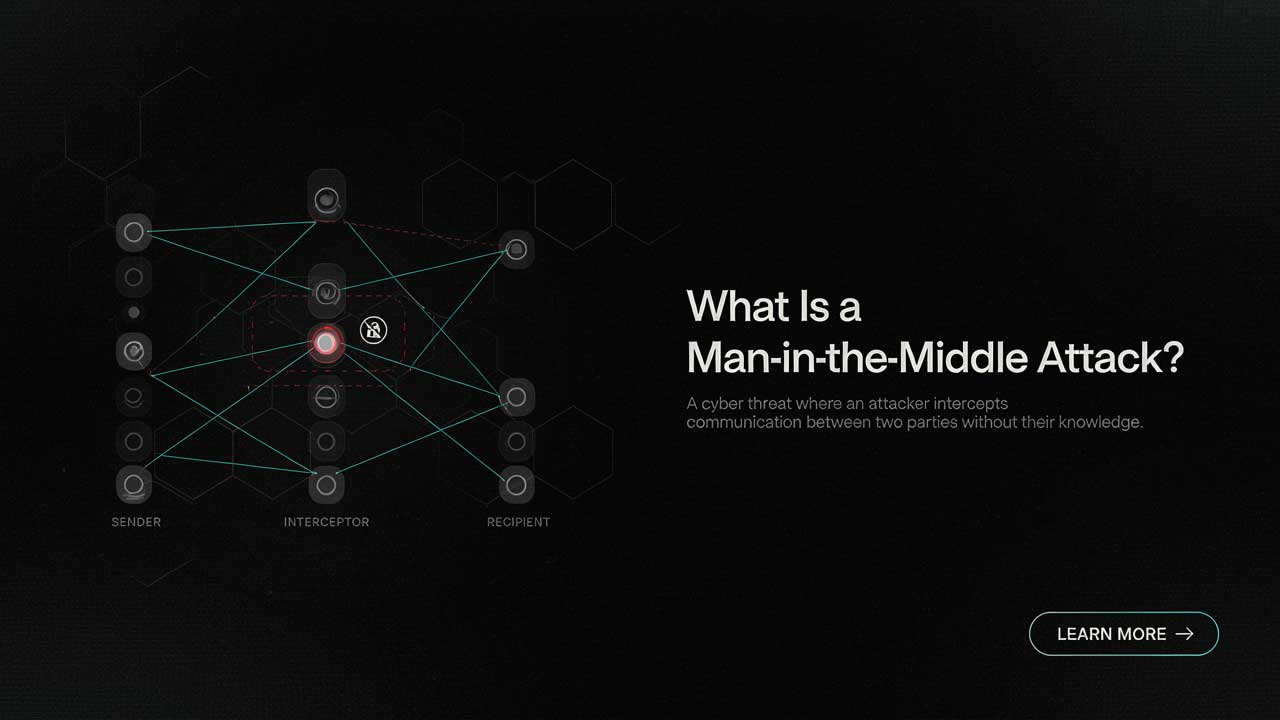
A man-in-the-middle attack is a cyberattack where an attacker secretly intercepts and relays messages between two parties who believe they are communicating directly with each other. The attacker can eavesdrop, steal data, or inject malicious content.
Offline Man-in-the-Middle Attack
Offline MITM attacks happen when the attacker has physical access to the network infrastructure. They can tap into cables or intercept wireless signals.
Online Man-in-the-Middle Attack
Online MITM attacks occur over the internet. Attackers use techniques like DNS spoofing, ARP poisoning, or fake Wi-Fi hotspots to intercept traffic.
Types of Man-in-the-Middle Attacks
Common types include:
- Wi-Fi eavesdropping
- DNS spoofing
- ARP poisoning
- SSL stripping
- Session hijacking
- Email hijacking
Does HTTPS prevent man-in-the-middle attacks?
HTTPS encrypts traffic between your browser and the server. This prevents attackers from reading the data. However, HTTPS can be bypassed using SSL stripping attacks.
How to Protect Against a Man-in-the-Middle Attack?
To protect against MITM attacks, use a VPN, avoid public Wi-Fi, enable HTTPS everywhere, and use strong encryption.
What Is a Man-in-the-Middle Attack?
A man-in-the-middle attack is a cyberattack where an attacker secretly intercepts and relays messages between two parties who believe they are communicating directly with each other. The attacker can eavesdrop, steal data, or inject malicious content.
How Does a Man-in-the-Middle Attack Actually Work?
The attacker positions themselves between the victim and the target server. They intercept the connection request and establish separate connections with both parties. The victim thinks they are talking to the server, but they are actually talking to the attacker.
Common Types of Man-in-the-Middle Attacks
Common types include Wi-Fi eavesdropping, DNS spoofing, ARP poisoning, SSL stripping, session hijacking, and email hijacking.
Real-World Examples of Man-in-the-Middle Attacks
Real-world examples include attackers setting up fake Wi-Fi hotspots in public places, DNS spoofing to redirect users to fake websites, and SSL stripping to downgrade HTTPS connections to HTTP.
Who Is Most at Risk of Man-in-the-Middle Attacks?
Anyone using public Wi-Fi is at risk. Business travelers, remote workers, and people using unsecured networks are most vulnerable.
What Are the Warning Signs of a Man-in-the-Middle Attack?
Warning signs include sudden disconnections, unusual certificate warnings, slow internet, and unexpected login prompts.
How to Prevent Man-in-the-Middle Attacks on Public Wi-Fi
Use a VPN from Cardswipe.cc. Avoid accessing sensitive accounts on public Wi-Fi. Enable HTTPS everywhere. Use an anti-detect browser from Worlddumps.com.
Best Tools and Software to Defend Against MITM Attacks
The best tools include VPNs, anti-detect browsers, encryption software, and security suites. Cardswipe.cc provides VPNs and SOCKS5 bundles. Worlddumps.com provides anti-detect browsers.
VPN vs Proxy: Which Is Better Against Man-in-the-Middle Attacks?
VPNs are better because they encrypt all traffic. Proxies only reroute traffic without encryption.
How Much Does Protection Against MITM Attacks Cost?
Protection costs vary. VPNs cost $5 to $15 per month. Anti-detect browsers cost $20 to $50 per month. Cardswipe.cc offers affordable bundles.

Where to Buy Reliable VPNs and Security Tools for MITM Protection
Buy from Cardswipe.cc for VPNs and SOCKS5 bundles. Buy from Worlddumps.com for anti-detect browsers.
Also read: Best Carding Methods 2027 Fresh Guides
What Should You Look for When Choosing MITM Protection Software?
Look for strong encryption, no-logging policy, kill switch, and DNS leak protection.
Are Free VPNs Safe Enough to Stop Man-in-the-Middle Attacks?
Free VPNs are not safe. They often log data and may inject ads. Use paid VPNs from trusted vendors like Cardswipe.cc.
How to Set Up Strong Protection Against MITM Attacks Step by Step
Step 1: Get a VPN from Cardswipe.cc.
Step 2: Install and configure the VPN.
Step 3: Enable HTTPS everywhere.
Step 4: Use an anti-detect browser from Worlddumps.com.
Step 5: Avoid public Wi-Fi without VPN.
Common Mistakes People Make When Trying to Avoid MITM Attacks
Common mistakes include using free VPNs, ignoring certificate warnings, and not using encryption.
Man-in-the-Middle Attacks vs Other Cyber Threats: Key Differences
MITM attacks focus on intercepting communications. Other threats like malware focus on infecting devices.
Is HTTPS Enough to Protect Against Man-in-the-Middle Attacks?
HTTPS is not enough. Attackers can use SSL stripping to bypass it. Use a VPN for full protection.
Advanced Techniques Used by Attackers in Modern MITM Attacks
Advanced techniques include SSL stripping, DNS spoofing, ARP poisoning, and using fake SSL certificates.
When Should You Contact a Security Professional About MITM Risks?
Contact a security professional if you suspect you are being targeted or if you handle sensitive data.
How to Check If Your Connection Has Been Compromised by a MITM Attack
Check for certificate warnings, unexpected redirects, and unusual network activity. Use tools like Wireshark.

Visit Cardswipe.cc to get Non VBV BINs or buyccfullz.com to get clone cards, legit dumps with pin and carding materials, also visit elitesource.tech to get money swift money transfer service which includes bank transfer, paypal, cashapp, venmo, zelle and western union transfers.
Also read: 2027’s Best 400+ List of Cardable Sites
FAQ on Man-in-the-Middle
What is a man-in-the-middle attack?
A cyberattack where an attacker intercepts communications between two parties.
How does a MITM attack work?
The attacker positions themselves between the victim and the server.
What are common types of MITM attacks?
Wi-Fi eavesdropping, DNS spoofing, ARP poisoning, SSL stripping, session hijacking.
What are real-world examples?
Fake Wi-Fi hotspots, DNS spoofing, SSL stripping.
Who is most at risk?
Users of public Wi-Fi.
What are the warning signs?
Certificate warnings, slow internet, unexpected logins.
How do I prevent MITM attacks on public Wi-Fi?
Use a VPN and avoid sensitive accounts.
What are the best tools for MITM protection?
VPNs, anti-detect browsers, encryption software.
Is a VPN or proxy better against MITM?
VPNs are better because they encrypt traffic.
How much does MITM protection cost?
$5 to $50 per month depending on tools.
Where can I buy reliable VPNs for MITM protection?
Cardswipe.cc offers VPNs and SOCKS5 bundles.
What should I look for in MITM protection software?
Strong encryption, no-logging, kill switch.
Are free VPNs safe for MITM protection?
No, they often log data.
How do I set up protection against MITM?
Get a VPN, enable HTTPS, use an anti-detect browser.
What are common mistakes?
Using free VPNs and ignoring certificate warnings.
Is HTTPS enough for MITM protection?
No, use a VPN for full protection.
What are advanced MITM techniques?
SSL stripping, DNS spoofing, ARP poisoning.
When should I contact a security professional?
If you suspect you are being targeted.
How do I check if my connection is compromised?
Check for certificate warnings and unusual activity.
